Skip to content
Parish Tactical

Article #2: Ammo Guide for New Gun Owners

Parish the Pelican 4 min read
On This Page

Ammo Guide for New Gun Owners: What to Buy and Why It Matters

When you walk into any gun store you’ll find an entire wall of ammunition. For a new gun owner, it can feel overwhelming. What’s the difference between FMJ and hollow point? What caliber is right for your gun? What’s the best defensive ammo? This guide is here to provide answers to many of those questions, to help you when choosing which ammunition is right for you and your firearm.
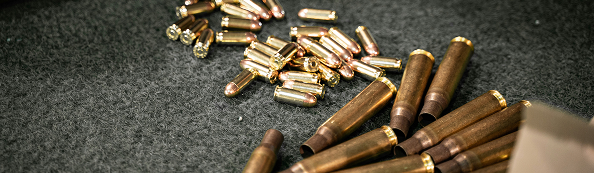
Understanding the basics of Ammunition

Every cartridge has four components: the case (the brass or steel shell), the primer (ignites the powder), the powder (propellant), and the bullet (the projectile that exits the barrel). When you pull the trigger, the firing pin strikes the primer, igniting the powder, which propels the bullet down the barrel.

Common Calibers Explained

  • 9mm Luger (9x19mm): The most popular pistol caliber in the world. Affordable, widely available, and effective for self-defense. Ideal for most semi-automatic handguns.
  • .45 ACP: Larger, heavier bullet moving at slower velocity. Preferred by those who want maximum bullet mass. Usually less capacity per magazine than 9mm.
  • .380 ACP: Compact pistol round. Lighter recoil, popular in subcompact carry guns. Less stopping power than 9mm.
  • .223 Remington / 5.56 NATO: Standard rifle round for AR-15s. Affordable and widely available. Excellent for target shooting, home defense, and hunting varmints.
  • .308 Winchester / 7.62 NATO: Powerful rifle cartridge used in hunting rifles and semi-automatic battle rifles. Great for medium to large game and long-range shooting.
  • 12 Gauge: The most common shotgun shell. Available in birdshot, buckshot, and slug configurations for different applications.

Bullet Types: FMJ vs. Hollow Point vs. Soft Point

Full Metal Jacket (FMJ)

FMJ bullets have a soft lead core wrapped in a harder metal jacket. They feed reliably in semi-automatic firearms and are ideal for range practice because they’re inexpensive and accurate. However, FMJ bullets penetrate deeply without expanding, making them less ideal for home defense due to overpenetration risk.

Hollow Point (JHP)

Hollow point bullets have a cavity in the tip that causes the bullet to expand or “mushroom” upon impact. This expansion transfers more energy to the target, creates a larger wound channel, and reduces overpenetration risk. Hollow points are the standard for self-defense ammunition and are used by virtually all law enforcement agencies in the United States.

Soft Point (SP)

Soft point bullets have an exposed lead tip that allows for controlled expansion. They expand more than FMJ but less dramatically than hollow points. Commonly used for hunting, they offer a balance between penetration and expansion for taking game cleanly.
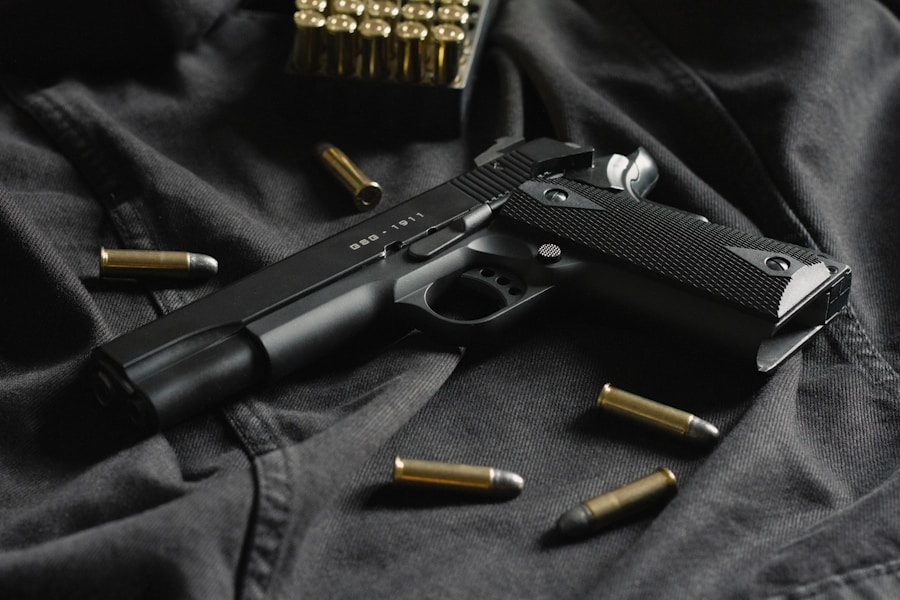
Ammunition on shooting range

Best Defensive Ammunition by Caliber

9mm Self-Defense Ammo

  • Federal HST 124gr: The benchmark for 9mm defensive ammo. Consistent expansion, reliable feeding, excellent terminal performance.
  • Speer Gold Dot 124gr: Law enforcement favorite with bonded construction for consistent expansion through barriers.
  • Hornady Critical Defense 115gr: Flex Tip technology ensures reliable expansion even through light barriers like clothing.

.45 ACP Self-Defense Ammo

  • Federal HST 230gr: Massive expansion, excellent penetration. The gold standard for .45 ACP defensive loads.
  • Hornady Critical Defense 185gr FTX: Excellent performance from compact .45 ACP pistols with shorter barrels.

.380 ACP Self-Defense Ammo

  • Hornady Critical Defense 90gr FTX: Top choice for .380 ACP. Designed specifically for short-barreled pocket pistols.
  • Speer Gold Dot 90gr: Another excellent option with reliable expansion in shorter barrels.

How Much Ammo Should You Have?

This is a personal choice, but here’s a general guideline:

  • Range ammo (FMJ): 500–1,000 rounds minimum. Enough to practice regularly for several months.
  • Defensive ammo (JHP): 2–4 loaded magazines plus a box of 50. You should also run 50–100 rounds of your chosen defensive load through your gun to verify reliable function before trusting your life to it.
  • Emergency/storage: Many experienced gun owners keep 1,000+ rounds of each caliber on hand for preparedness.

Steel Case vs. Brass Case Ammo

Steel-cased ammo (like Wolf or TulAmmo) is significantly cheaper than brass but has drawbacks. It’s harder on extractors, can’t be reloaded, and some firearms don’t feed it as reliably. For range use, it’s fine for most guns, though some ranges do not allow it. For defensive use, always use quality brass-cased ammunition.

The Parish Tactical Take

Ammo selection matters. Don’t carry FMJ for self-defense, don’t cheap out on what goes in your home defense gun, and always verify that your defensive load functions reliably in your specific firearm before depending on it. A gun that won’t feed its defensive ammo is worse than useless in a crisis.

At Parish Tactical, we stock defensive hollow points, range ammo, and specialty cartridges in the most common calibers.

Browse our ammunition selection and stock up today — because the best time to buy ammo is before you need it. In other words…. #PrepareWithParish

Parish the Pelican

Author

Share This Article:

Discussion

Join the Conversation

Be the first to leave a comment.

Leave a ReplyShare your thoughts

Your email stays private and will not be published. * marks required fields.